
Apurinã Rapé
The Apurinã are an Aruák people of the Purus River in Amazonas — distinct from the Pano tribes of Acre — who call themselves Pupỹkary, “human beings.” They’re known across the Amazon for one rare thing: a tobacco-free green snuff.
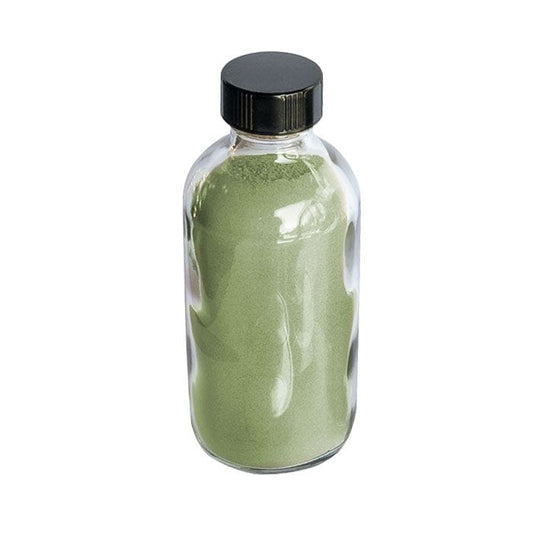
That snuff is Awiry, which they call Rapé Verde — ground from the sun-dried green leaf alone, no tobacco, no ash. Its harvest depends on seasonal floods, so it comes and goes; when it’s in, it ships same-day from the US, direct from the tribe.
New to rapé? Our complete rapé (hapé) guide explains what rapé is, why tobacco and ash matter, and how Awiry differs. Or explore all our tribal blends, or the Puyanawá and Katukina collections.
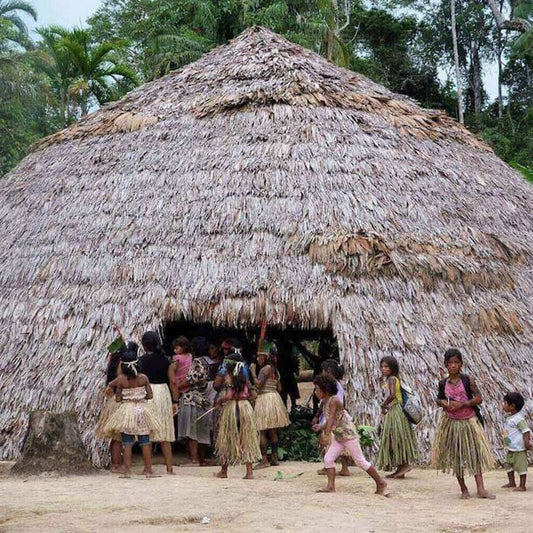
This image is for illustrative purposes and does not necessarily depict members of the Apurinã tribe.

-
Awiry Hapé – Apurinã Tribe
Regular price From $ 5.00 USDRegular price
Apurinã Tribe FAQ
What do the Apurinã call themselves?
“Apurinã” is actually a name given by neighbours (from the Jamamadi language). Their own name for themselves is Pupỹkary (also written Popũkare), meaning roughly “human beings”; they also use Kãkyte, “people.”
Where do the Apurinã live?
In south-western Amazonia along the Purus River and its tributaries, chiefly in the state of Amazonas — around the municipalities of Boca do Acre, Pauini, Lábrea and Tapauá, with communities also in Rondônia and Mato Grosso — spread across many territories rather than one single reserve.
Are the Apurinã a Pano people like the Acre tribes?
No — and that’s what sets them apart. Most of the rapé-making tribes of Acre belong to the Pano family, but the Apurinã speak a language of the Aruák (Arawak) family, closest to Manchineri of the upper Purus. They’re a distinct people with their own tradition, not part of the Pano world.
How many Apurinã are there?
Around 10,228 at the last health-service count (Siasi/Sesai, 2020), making them one of the larger peoples of the Purus basin — though the true figure is likely higher, since many live outside demarcated lands.
What is awiri, the Apurinã snuff?
Awiri (also awire) is the Apurinã’s characteristic rapé — a rare, tobacco-free “green rapé” made from a single sun-dried riverbank herb rather than the tobacco-and-tree-ash blends of the Pano tribes. In the ethnographic record it’s described as their most common medicine, central to shamanism and healing.
What happened to the Apurinã during the rubber boom?
Contact intensified from the 1870s as rubber extraction pushed up the Purus, and by around 1880 non-Indigenous settlements dominated the river. The Apurinã lived through two rubber cycles of violence and forced labour — the first around the turn of the century, the second during the Second World War. Today they are still fighting for legal recognition of parts of their land, some of it under pressure from loggers.
What part does rapé play in Apurinã spiritual life?
A central one. In Apurinã cosmology the creator, Tsora, gave the people their sacred plants, and awiri sits at the heart of that inheritance. The pajé (shaman) works with it to clear heavy energy, steady body and mind, and open communication with the spirit world and ancestral guides. It belongs to a tradition of deep listening — worked with quietly and with intention, never casually.
Does buying Apurinã rapé support the community?
Yes — we source directly from the makers rather than through middlemen, so the money reaches the Apurinã families of the Purus who produce it. That direct relationship is how the trade stays fair.