
Palo Santo Sticks & Essential Oil – Sacred Holy Wood (Bursera graveolens)
Authentic Palo Santo sticks and essential oil sourced from sustainably harvested Bursera graveolens. Known as “holy wood,” Palo Santo has been used for centuries throughout South America for energy cleansing, meditation, and ceremonial rituals. When burned, the aromatic wood releases a rich fragrance traditionally used to purify spaces, prepare ceremonial environments, and support mindfulness practices.
Our Palo Santo is responsibly harvested from naturally fallen branches and carefully selected for its aromatic resin content.
Learn more about the traditions and benefits in our guide:
The Healing Properties of Palo Santo

-
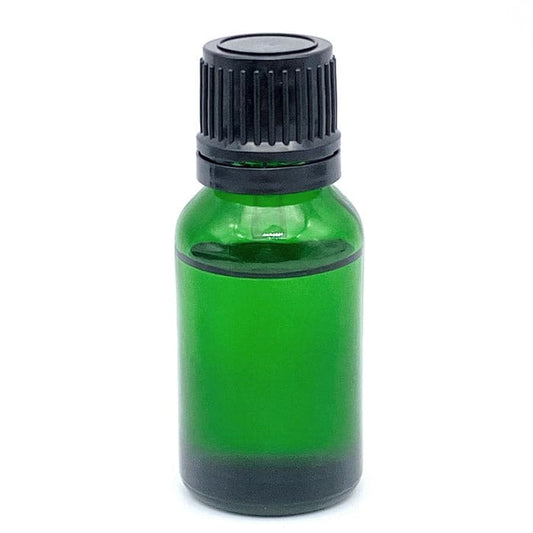
Ceremonial Palo Santo Essential Oil
Regular price $ 45.00 USDRegular price -
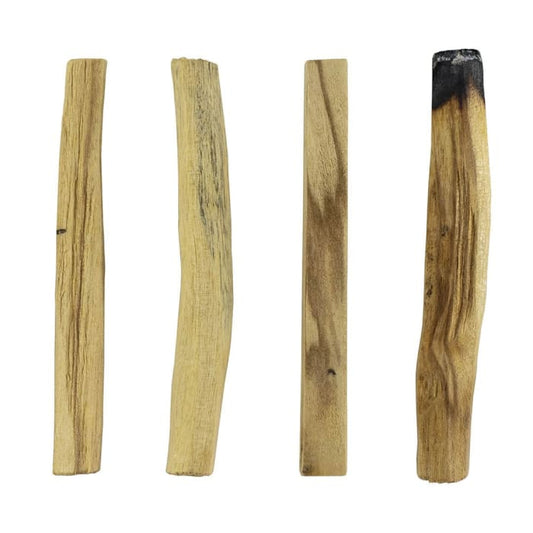
Palo Santo Incense Sticks – Sacred Wood
Regular price From $ 6.95 USDRegular price
Palo Santo FAQ – Uses, Benefits, and Sustainability
What is Palo Santo?
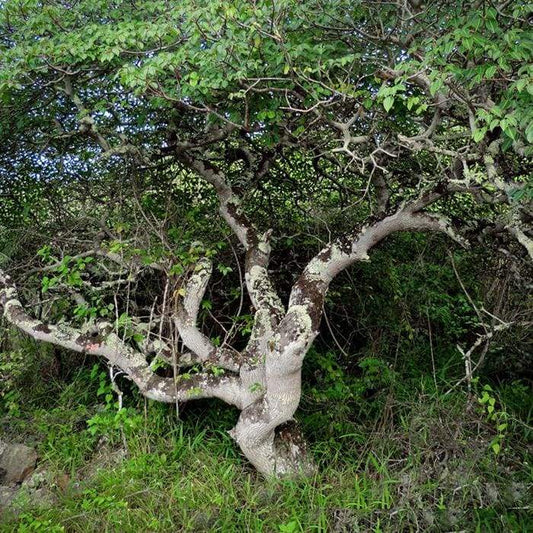
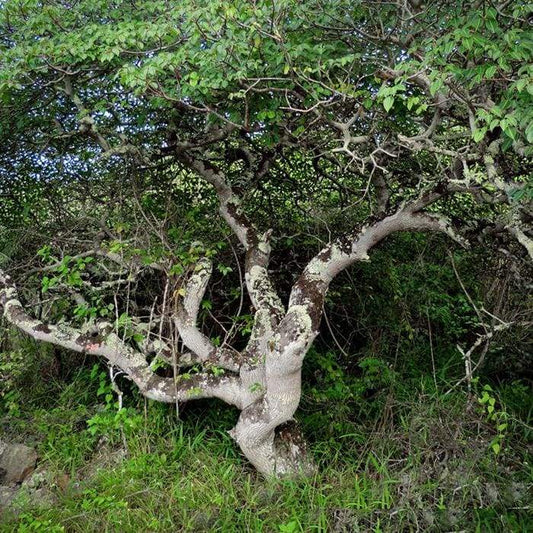
Palo Santo, meaning “holy wood,” comes from the tree Bursera graveolens, native to South America. Its aromatic wood and oil have traditionally been used for cleansing rituals, meditation, and spiritual practices.
What does Palo Santo smell like?
Palo Santo has a warm, sweet, woody aroma with subtle notes of citrus, mint, and pine that become stronger when the wood is burned.
Where does Palo Santo come from?
Palo Santo grows primarily in South American countries including Ecuador, Peru, and Bolivia.
Is Palo Santo endangered?
The species Bursera graveolens used for Palo Santo products is not currently listed as endangered. Responsible harvesting practices help protect forests and ensure sustainable supply.
How is Palo Santo harvested sustainably?
Sustainable harvesting collects wood from naturally fallen Palo Santo trees or branches that have aged on the forest floor. This protects living trees and supports forest regeneration.
Why is sustainable Palo Santo important?
Sustainable sourcing protects forest ecosystems and helps ensure Palo Santo can continue to be harvested responsibly for future generations.
How do you burn Palo Santo wood?
Light one end of a Palo Santo stick and allow it to burn for about 30 seconds before blowing out the flame. The smoldering wood releases aromatic smoke traditionally used for cleansing and ritual purposes.
How long does a Palo Santo stick burn?
A Palo Santo stick typically burns for about 30–60 seconds before the flame is blown out. The wood continues to smolder and release aromatic smoke and can be relit many times.
How many times can you use a Palo Santo stick?
A single Palo Santo stick can usually be relit many times. Depending on how often it is used, one stick may last for several cleansing rituals.
How long does the scent of Palo Santo last?
The aroma of Palo Santo smoke can linger in a room for several minutes after burning. Many people enjoy the subtle fragrance that remains in the space after cleansing.
What are the spiritual uses of Palo Santo?
Palo Santo has traditionally been used to cleanse negative energy, prepare ceremonial spaces, and support meditation, prayer, and spiritual rituals.
What are the benefits of Palo Santo oil?
Palo Santo essential oil is traditionally used in aromatherapy for its calming aroma and cleansing qualities. It is often diffused during meditation, relaxation, and mindfulness practices.
Can Palo Santo oil be used in diffusers?
Yes. Adding a few drops of Palo Santo essential oil to a diffuser releases its calming and cleansing aroma into the air.
Can Palo Santo be used for meditation?
Yes. Many people burn Palo Santo or diffuse its essential oil before meditation to create a calm and focused atmosphere.
How often should you use Palo Santo?
Palo Santo can be used whenever needed, such as during meditation, weekly space cleansing, or special ceremonial practices.
Can Palo Santo be combined with other oils?
Yes. Palo Santo blends well with essential oils such as frankincense, lavender, cedarwood, and sandalwood.
Is Palo Santo oil safe for topical use?
Palo Santo essential oil should be diluted with a carrier oil before applying to the skin. Always perform a patch test before broader use.
Are there any side effects of using Palo Santo oil?
Some individuals may experience skin sensitivity. Dilution and a patch test are recommended before topical use.
Is Palo Santo safe for pets?
Use caution when burning Palo Santo or diffusing essential oils around pets. Ensure good ventilation and avoid direct exposure.
Can Palo Santo oil be ingested?
Palo Santo essential oil is intended for aromatic or topical use only and should not be ingested.
What should I do if I experience an allergic reaction to Palo Santo?
Discontinue use immediately and consult a qualified healthcare professional if irritation or other reactions occur.
How should Palo Santo products be stored?
Store Palo Santo sticks and oil in a cool, dry place away from excess moisture and direct sunlight to preserve their natural aroma and quality.