
Nukini Rapé
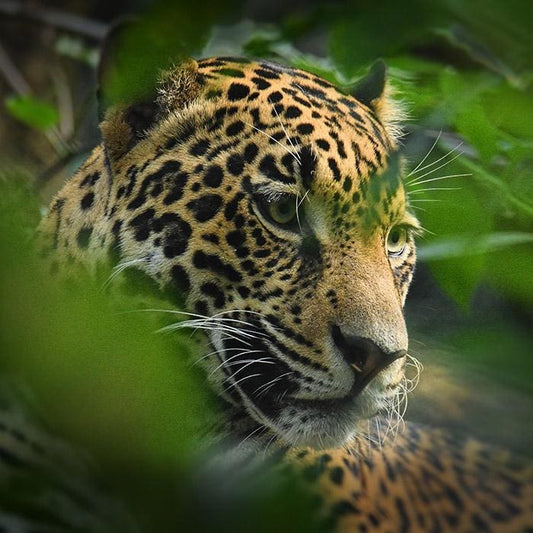
The Nukini are the “People of the Jaguar,” from the Rio Môa beside the Serra do Divisor National Park in Acre. Their rapé is finely ground, with a higher ash content — blends many consider especially refined.
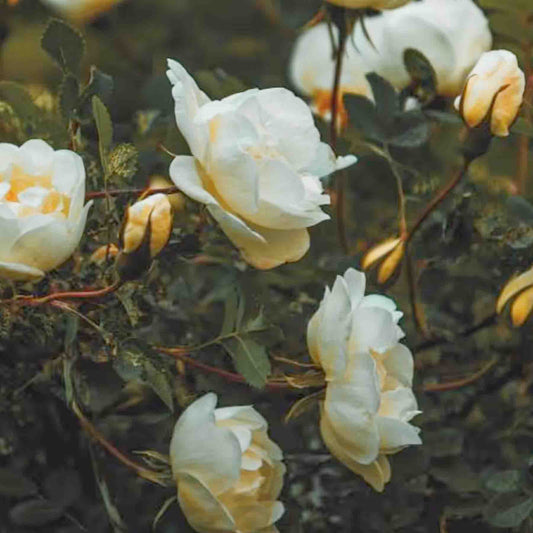
The collection runs from Light blends like Rosa Blanca to Strong ones like Onça, named for the jaguar at the heart of the tribe’s identity. Each is hand-made and comes to us directly from the tribe, shipped same-day from the US.
New to rapé? Our complete rapé (hapé) guide covers what it is, how it’s applied, and what the ash actually does. Or explore all our tribal blends, or the Yaminawá and Apurinã collections.
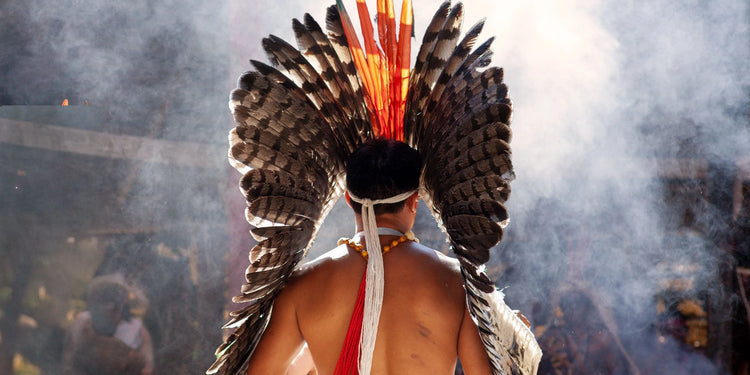
This image is for illustrative purposes and does not necessarily depict members of the Nukini tribe.
-
Elixir Hapé - Nukini Tribe
Regular price From $ 5.00 USDRegular price -
Limpeza Astral Hapé – Nukini Tribe
Regular price From $ 5.00 USDRegular price -
Lourinho e Cravinho Hapé – Nukini Tribe
Regular price From $ 5.00 USDRegular price -
Mulata Hapé – Nukini Tribe
Regular price From $ 4.00 USDRegular price$ 5.00 USDSale price From $ 4.00 USDSale -
Nukini Hapé – Nukini Tribe
Regular price From $ 5.00 USDRegular price -
Onça Hapé – Nukini Tribe
Regular price From $ 5.00 USDRegular price -
Rosa Blanca Hapé – Nukini Tribe
Regular price From $ 5.00 USDRegular price -
Xiti Hapé – Nukini Tribe
Regular price From $ 5.00 USDRegular price
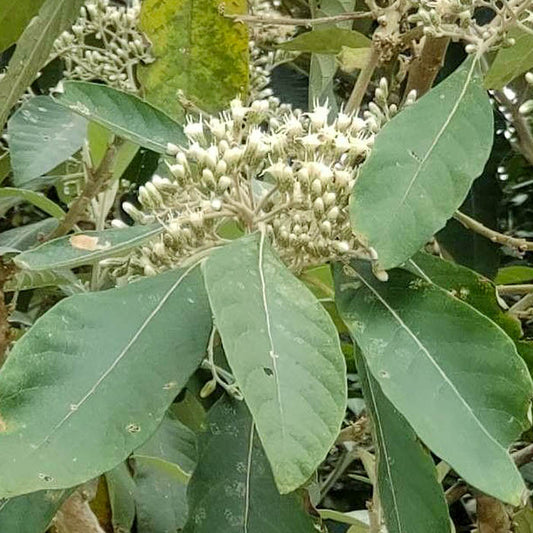
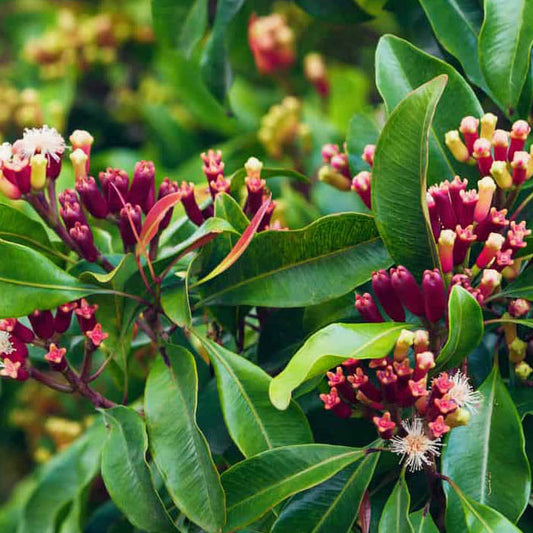
Nukini Tribe FAQ
Why are the Nukini known as the “People of the Jaguar”?
Their name is tied to the jaguar (onça) — the animal sits at the root of how they describe their own origin, and one of their clans is the Inubakëvu, the “jaguar people.” It’s why they’re popularly called the Povo da Onça.
Where do the Nukini live?
On the Terra Indígena Nukini in the municipality of Mâncio Lima, in the far south-west of Acre — settled along the Rio Môa and its igarapés, right beside the Serra do Divisor National Park and close to the Peruvian border.
How many Nukini are there?
Around 726 people at the last health-service count (Siasi/Sesai, 2020), living across several villages on the Môa.
Is the Nukini language still spoken?
It belongs to the Pano family, but only a few Nukini still speak it fluently — transmission was broken when speakers were ridiculed and discriminated against, leaving younger generations Portuguese-speaking. The community is now working to revive it through the village school.
What did the rubber boom mean for the Nukini?
They were drawn into the rubber estates (seringais) as tappers and professional hunters under an exploitative patron system. The forced labour and pressure of that era suppressed their language and much of their ceremonial life — the loss they are now working to reverse.
How do the Nukini traditionally use rapé?
Among the Nukini, rapé (hapé) is documented as a hunter’s medicine — worked with to steady and orient the hunter in the forest. It sits alongside their other living traditions: the mariri dance, and body-paint designs called kenê made with urucum and jenipapo.
Does buying Nukini rapé support the community?
Yes — we buy directly from the makers, so the money reaches the families and villages of the Môa rather than a middleman. That direct link helps fund the land, language and culture they’re working to keep.