
Yaminawá Rapé
The Yaminawá — “people of the axe” — are a Pano people of Acre, with communities reaching into Peru and Bolivia, known for their shamanic song.
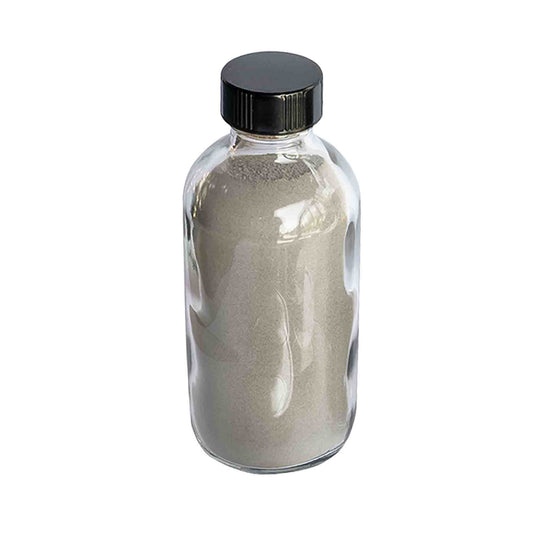
Canela de Velho and the premium Wild Propolis sit at a moderate strength, while Yopo — built with roasted Yopo and a rare freshwater-shell ash rather than tree ash — is the strong one. Each is hand-made and comes to us directly from the tribe, shipped same-day from the US.
New to rapé? Our complete rapé (hapé) guide covers what it is, how it’s applied, and what goes into a blend. Or explore all our tribal blends, or the Apurinã and Puyanawá collections.
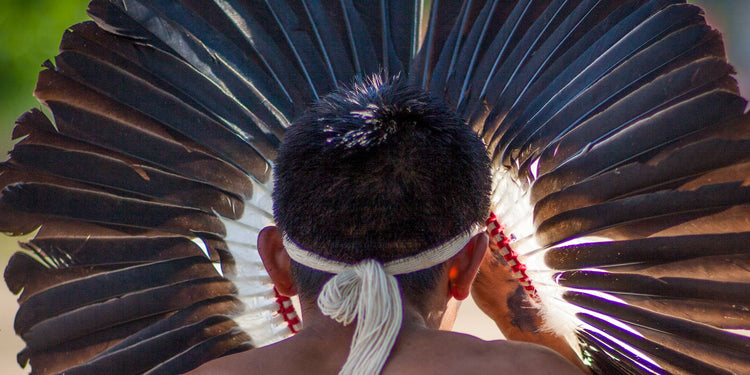
This image is for illustrative purposes and does not necessarily depict members of the Yaminawá tribe.
-
Canela de Velho Hapé – Yaminawa Tribe
Regular price From $ 5.00 USDRegular price -
Wild Propolis Hapé – Yaminawa Tribe
Regular price From $ 5.00 USDRegular price -
Yopo Hapé – Yaminawa Tribe
Regular price From $ 5.00 USDRegular price

Yaminawá Tribe FAQ
What does the name “Yaminawá” mean?
It’s usually translated as “people of the axe” — nawa meaning people (a word that, in their own language, also names outsiders). You’ll see it spelled many ways across the region: Yaminawá in Brazil, Yaminahua in Peru and Bolivia, and Jaminawa in Portuguese.
Where do the Yaminawá live?
Across three countries. In Brazil they’re concentrated in Acre along the Acre and Iaco rivers — on territories including Cabeceiras do Rio Acre and Mamoadate, with families also around Rio Branco — and there are Yaminahua communities over the borders in Peru and Bolivia.
How many Yaminawá are there?
About 1,454 in Brazil at the last health-service count (Siasi/Sesai, 2014), with further communities in Peru (around 600) and Bolivia (around 630) recorded in separate censuses.
How are the Yaminawá related to the other Pano tribes?
Closely — they’re best understood as a constellation of related Pano groups that have split, merged and intermarried over time, sharing the -nawa naming and a good deal of language and history with neighbours like the Sharanawa. Several familiar tribal names (Yawanawá among them) belong to that same wider family.
What are the Yaminawá’s spiritual traditions?
Their documented ceremonial centre is ayahuasca: the older figure of the diviner has largely given way to the koshuiti, a healer who drinks the brew and sings, “owner of a curative art.” Song runs through their culture. Rapé (hapé) belongs to the broader sacred-medicine tradition shared across the Pano peoples of Acre, and is worked with in that same spirit.
What happened to the Yaminawá during the rubber boom?
Their first sustained contact was with Peruvian and Bolivian rubber gatherers (caucheros) at the headwaters of the Chandless. In 1968 a group weakened by epidemics settled at the Petrópolis rubber estate, beginning a hard dependence on estate bosses that only broke when FUNAI established a post in 1975.
Does buying Yaminawá rapé support the community?
Yes — we source directly from the makers rather than through intermediaries, so the money reaches the families who produce it. That direct relationship is how the trade stays fair.