Fresh Sananga Eye Drops — Katukina, Kuntanawa & Yawanawá Crafted

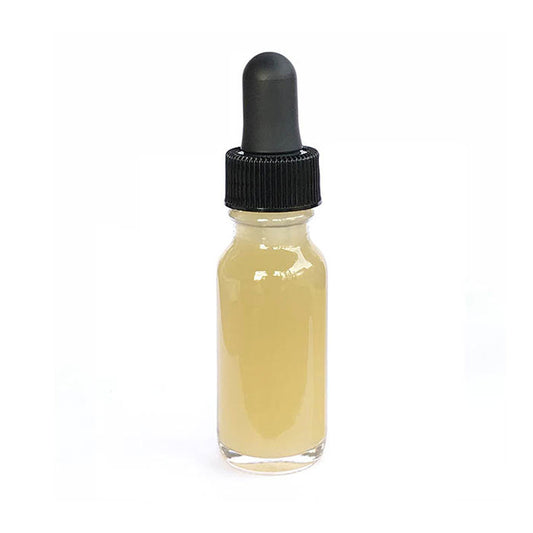
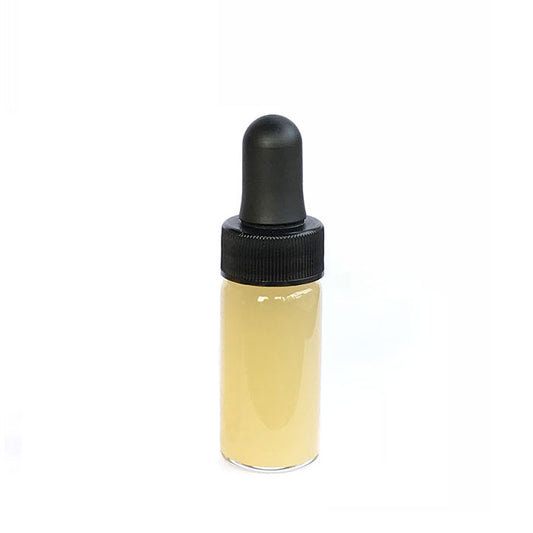
Our Sananga eye drops are ethically wild-harvested in Acre, Brazil and prepared by Katukina, Kuntanawa, and Yawanawá healers — wild Tabernaemontana sananho root, filtered, bottled, and blessed before it leaves the rainforest. In the Amazon, Sananga is worked with to clear panema (heavy, stagnant energy) and bring a sense of presence and stillness to Kambo, Rapé, or meditation. Every purchase supports the Indigenous medicine makers.

Choosing Your Strength

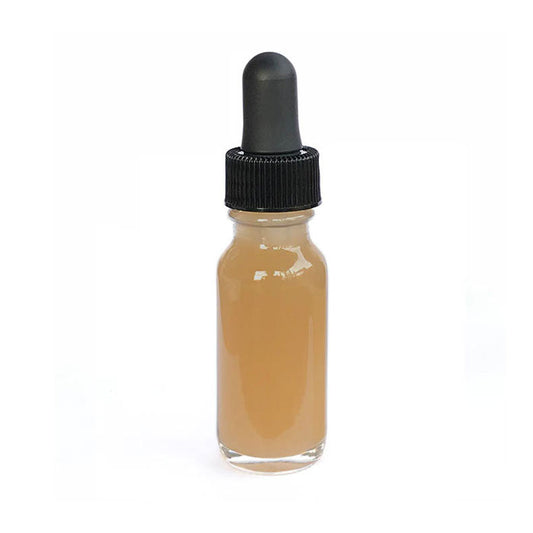
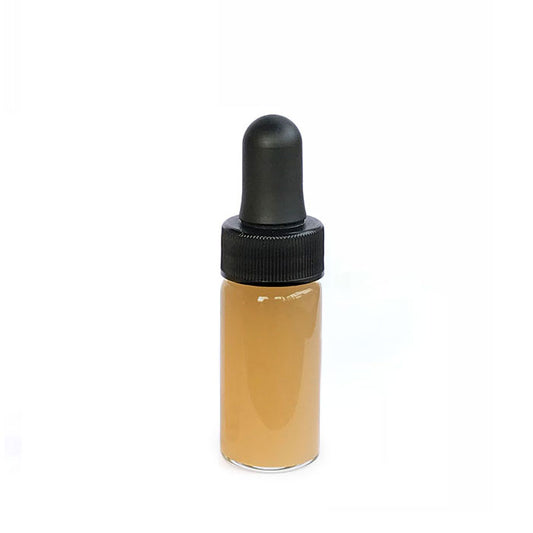
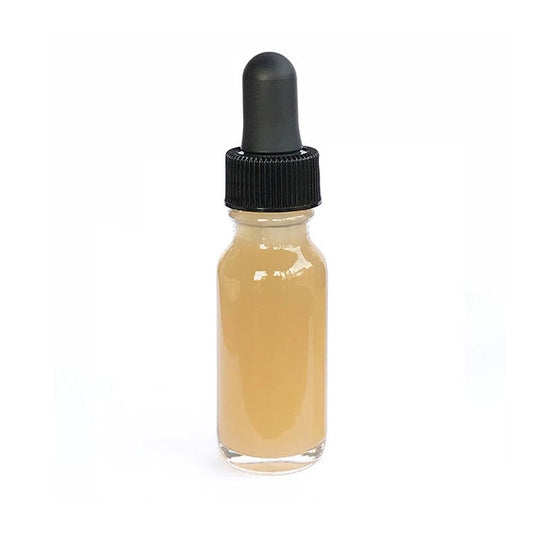
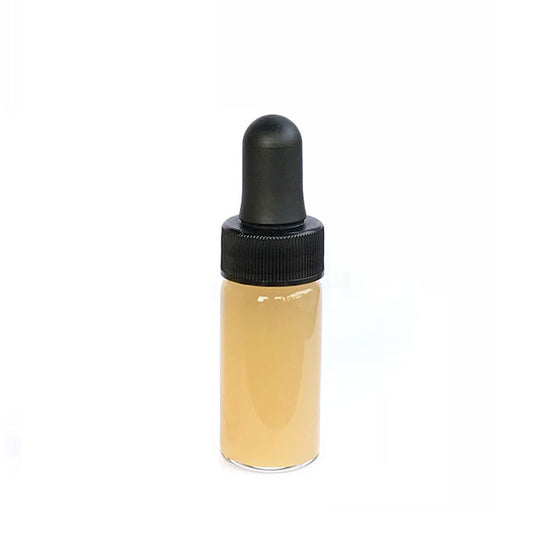
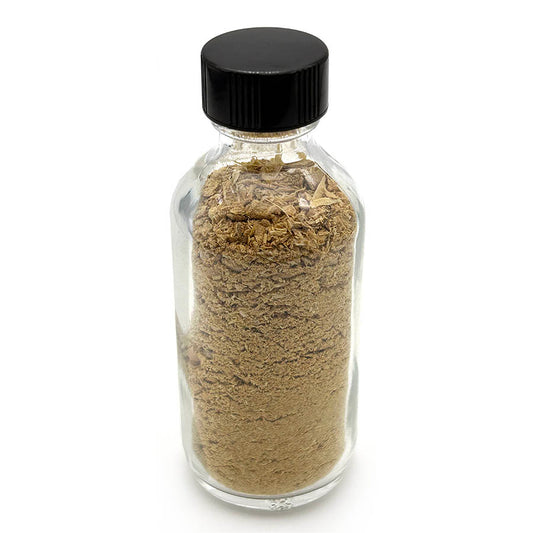
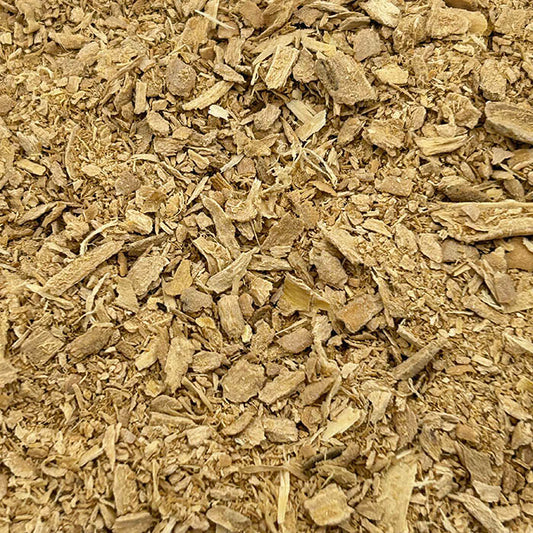
Soothing — Katukina: dried root bark, the gentlest — a natural place to begin.
Balanced — Kuntanawa: fresh root shavings, a middle strength for steady practice.
Powerful — Yawanawá: fresh root shavings, the strongest — for experienced practitioners.

For uses, benefits, and cautions, see our full sananga guide.
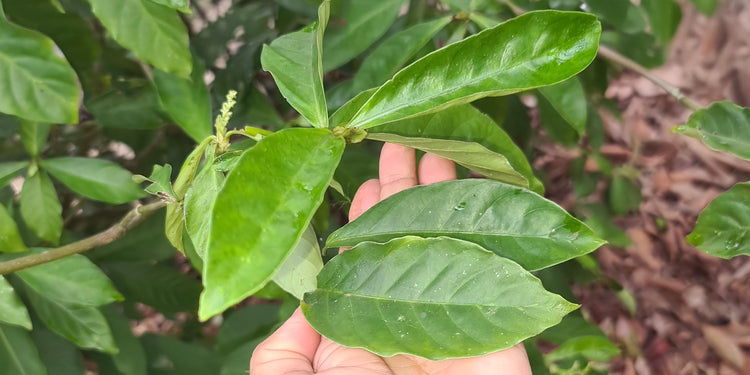
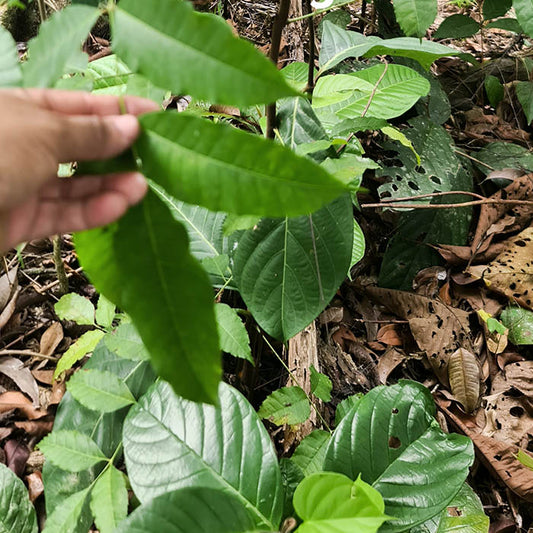
Wild Tabernaemontana sananho plant used for making traditional sananga eye drops

Mini Sananga FAQ

A 7 ml bottle holds roughly 140 drops. At the recommended 2 drops per session (one per eye), that gives you about 70 sessions—enough for a little over two months of daily use, well within the three-month freshness window.
Sananga is a non-scheduled herbal eye drop, so it usually clears customs without issue. We ship with herbal HS codes; delays are rare, but if your parcel is stopped we'll provide you with support.
Unopened bottles stay potent for six months if kept refrigerated. After opening, we recommend finishing within three months and storing in the fridge between uses.
Our partners prepare Sananga in small, made-to-order batches and ship it to us regularly. Each bottle arrives potent and fresh, infused with the medicine makers’ ceremonial energy.
Sananga is robust enough to ship unrefrigerated when freshly prepared. You’ll receive your Sananga in a sealed glass dropper bottle—just pop it in the fridge as soon as it arrives.
Davi of the katukina scrapes the Tabernaemontana sananho plant to make the shavings for sananga production.
Davi of the Katukina scrapes the Tabernaemontana sananho plant to make the shavings for Sananga production.

Customer Reviews

Based on 76 reviews
93%
(71)
3%
(2)
4%
(3)
0%
(0)
0%
(0)
D
David Donnelly (London, GB)
Powerful, fosho.

Does what it says on the tin.

R
Ricardo Matos (Lewisham, GB)

Sananga Powerful

M
Michelle Watson (South Croydon, GB)
Very happy!

My Sananga arrived in good time and was packaged well.
It's my first experience with Sananga and I went straight in with Sananga Balance. It felt like my eyes were well and truly on fire! I've never experienced anything like it! A few days in (following 7 days on and 7 off) and I'm getting used to that now. This is a powerful plant medicine and even in this short space of time I'm aware of the journey I'm on with Sananga. I'm so pleased I decided to listen to the call and start the journey. I'll be ordering more from Shamanic Supply for sure.

J
Joanna BURNYEAT (Manchester, GB)
First timer

It was my first experience with this medicine. The guidance provided on here is very good. I could feel the discomfort for about one minute then continued on my journey and worked with the plants spirits for another 5 minutes followed by jurnaling. Thank you. I'm looking forward for my journey and to move into the stronger ones

H
Helen Pedersen (Birkenhead, GB)
interesting journey

I did the 21 day challenge wiht my friend. So many obstacles and emotions came up for us both. Like we were clearly given what we need to work through. will order again. We even came to like it by the end.

W
Wade Wilson
Sananga

Strongest Sananga I've had yet.
And filtered really well. A lot less particulate than what I've had before.
It's been improving my eyesight too

J
Julie (Tadley, GB)
Not for those of casual interest.

So these do sting a bit, but somehow I'm getting the hang of it an even looking forward to using them. I suspect (and I can't know), that they are enabling me to clarify some things, e.g. see things more clearly. Most odd!

C
Customer (Gateshead, GB)
Very efficient service and potent products

The Rapé was super powerful and is a beautiful medicine. I’m relieved I bought the Soothing Sananga as that was also intense!

G
Grant Tennant (Coatbridge, GB)
Sananga piece of mind, a beautiful heavenly movement

The strong sananga is a blessing to have as part of my collection.
I used it after some Rapé and meditation, once I had applied the sananga I had a beautiful cleansing, clear, and enlighten movement.
The blessing and gifts from using the Sananga is awe inspiring, the Divine spirit's surround you with their beautiful white light, nourishing your body and mind, the wisdom of the ancestors helps you on your journey, clearing the path, and letting you walk amongst all the powers Divine.

T
Terri Boyle (Dallas, US)
Soothing eyedrops

Be in a quiet place , a dark room. Be prepared for severe burning in your eyes . It takes alil while for it to stop . I found it was very much worth it . My eyes seem clearer and sharper . My mind at peace afterwards . Be sure to refrigerate your eye drops . So they will stay fresh .


Photos of Huni Kuin Tribe, Art, and Ceremonies

Huni Kuin leaders in traditional feather headdresses gather around a candle-lit altar during an Ayahuasca ceremony in Brazil.
Leaders of the Huni Kuin Tribe, wearing traditional feather headdresses, gather around a candle-lit altar at the beginning of a sacred Ayahuasca ceremony to inaugurate a retreat.
Two Huni Kuin women in Brazil wearing traditional feather headdresses and beadwork garments during a cultural ceremony.
Two Huni Kuin youth leaders, adorned in traditional feather headdresses and beadwork garments that reflect the vibrant expression of Huni Kuin art, prepare for a cultural ceremony.
A Huni Kuin medicine in Brazil harvesting chacruna (Psychotria viridis) leaves, an essential plant for preparing Ayahuasca.
A Huni Kuin medicine man harvests chacruna, the mother plant of Ayahuasca. The leaves of Psychotria viridis are essential for preparing the brew.
Huni Kuin community members harvest and prepare cannabis, used towards the end of Ayahuasca ceremonies.
Huni Kuin members harvesting and preparing cannabis, a plant traditionally used at the conclusion of Ayahuasca ceremonies.
Huni Kuin women in traditional beadwork create textiles by hand, weaving colorful clothing patterns.
Huni Kuin women weaving traditional textiles by hand, continuing ancestral craft practices used to create clothing and ceremonial garments.
Huni Kuin woman harvesting peppers in a sustainable jungle vegetable garden in the Amazon rainforest.
A Huni Kuin woman harvests peppers in a sustainable jungle vegetable garden, part of traditional Amazonian agroforestry that provides food, medicine, and self-sufficiency for the community.
Huni Kuin shaman administers sacred rapé using a tepi pipe to a participant during a traditional festival.
A Huni Kuin shaman administers the sacred medicine rapé through a tepi pipe to a festival participant, a practice that clears the mind, deepens focus, and prepares the body for ceremony.
Huni Kuin artist paints traditional designs on wood panels during the construction of a school for local children.
As part of building a new school for local children, a Huni Kuin artist decorates wooden panels with traditional designs, blending education and ancestral culture.

About the Huni Kuin Tribe: Hapé, Ayahuasca, Art, and Traditions

Who are the Huni Kuin and where do they live?

The Huni Kuin, also known as Kaxinawá, are an Indigenous people of the Amazon. They live primarily in the state of Acre in Brazil and the Ucayali region of eastern Peru, along forest rivers and in sustainable, community-based villages.

What is the population of the Huni Kuin tribe? 

As of 2020, the Huni Kuin (also known as Kaxinawá) population is estimated at approximately 14,148 individuals—with around 11,729 living in Brazil and 2,419 in Peru

What language do the Huni Kuin speak and what is its current status?

The Huni Kuin speak Hatxa Kuin, a Panoan language. It is actively spoken across generations and remains strong within their communities, especially in Brazil’s Acre region.

What are some of the Huni Kuin's traditional practices?

The Huni Kuin, also known as Kaxinawá, maintain a rich tradition of shamanic practices centered around sacred plant medicines such as ayahuasca (Nixi Pae) and rapé. These are used in ceremonies to connect with forest spirits, heal illness, and maintain balance in the community. Rituals are guided by chants called Huni Meka, which are believed to carry spiritual power and are sung during healing ceremonies and communal gatherings. The pajé, or shaman, plays a central role in facilitating these rituals and in preserving ancestral knowledge.


Traditional weaving and body painting also hold deep cultural significance. Women produce intricate kené designs on textiles and in beadwork, reflecting spiritual visions, stories, and the structure of the universe. These designs are not only decorative but carry symbolic and protective meanings. In recent years, the Huni Kuin have extended these expressions into visual arts through the MAHKU artist collective, which transforms their traditional chants and visions into contemporary artwork, helping to preserve and share their cultural heritage with the wider world.

How can one learn more about the Huni Kuin tribe?

How can one learn more about the Huni Kuin tribe? Detailed information on the Huni Kuin tribe can be found on the Instituto Socioambiental (ISA) website here.