
Collection: Rapé (Hapé) | 65+ Tribal Blends
Rapé (also written hapé or rapeh) is a sacred Amazonian snuff — fine tobacco-and-ash blends prepared ceremonially by Indigenous tribes of Acre, Brazil. We've sourced ours directly from tribal partners since 2015, fair-trade and fresh from the jungle.
Shop by Tribe: Yawanawá · Katukina · Kuntanawa · Nukini · Huni Kuin · Puyanawa · Yaminawa · Apurinã
New to rapé? Start with What Is Rapé? — our complete guide, see the top 10 best-sellers, or pair your blend with a handmade kuripe applicator.
-
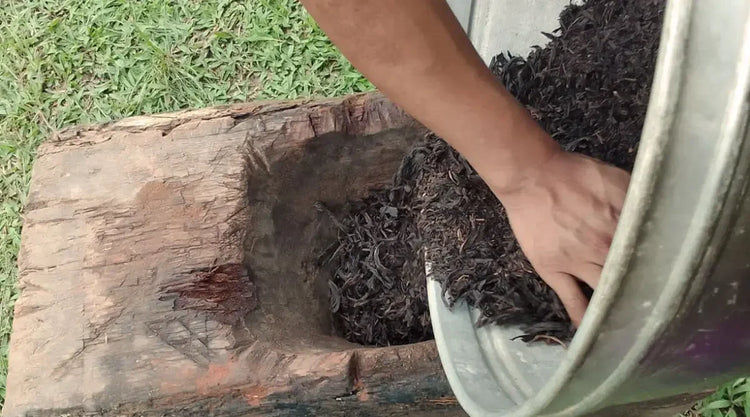
Aniz Hapé – Katukina Tribe
Regular price From $ 4.00 USDRegular price$ 5.00 USDSale price From $ 4.00 USDSale -
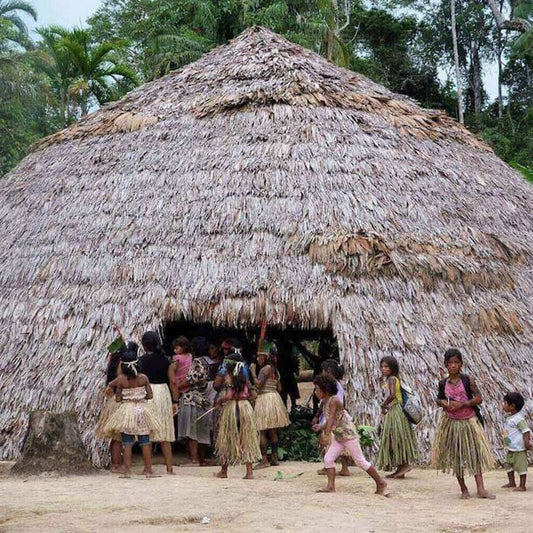
Apuxuri Hapé – Kuntanawa Tribe
Regular price From $ 5.00 USDRegular price -
 Sold out
Awiry Hapé – Apurinã Tribe
Regular price From $ 4.00 USDRegular price$ 5.00 USDSale price From $ 4.00 USDSold out -
Ayahuasca Hapé – Kuntanawa Tribe
Regular price From $ 5.00 USDRegular price -
Bobinsana Hapé – Yawanawa Tribe
Regular price From $ 5.00 USDRegular price -
Cacau Hapé – Katukina Tribe
Regular price From $ 5.00 USDRegular price -
Canela de Velho Hapé – Yaminawa Tribe
Regular price From $ 5.00 USDRegular price -
Catuaba Hapé – Katukina Tribe
Regular price From $ 4.00 USDRegular price$ 5.00 USDSale price From $ 4.00 USDSale -
Chichá Hapé – Katukina Tribe
Regular price From $ 5.00 USDRegular price -
Copaiba Hapé – Huni Kuin Tribe
Regular price From $ 5.00 USDRegular price$ 0.00 USDSale price From $ 5.00 USD -
Cumaru Hapé – Katukina Tribe
Regular price From $ 5.00 USDRegular price$ 0.00 USDSale price From $ 5.00 USD -
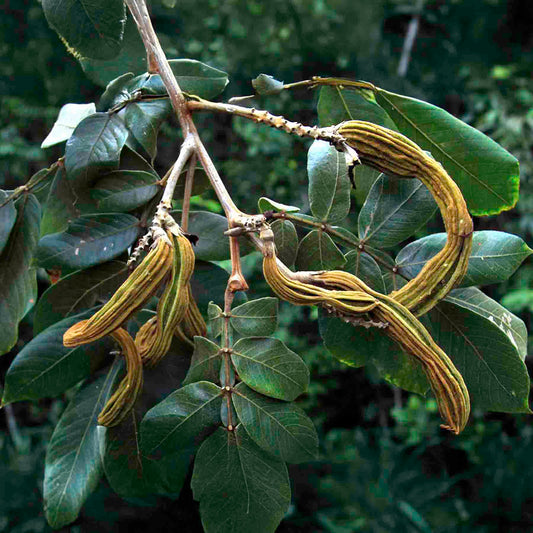 Sold out
Elixir Hapé - Nukini Tribe
Regular price From $ 5.00 USDRegular price -
Eucalyptus Hapé – Yawanawa Tribe
Regular price From $ 5.00 USDRegular price -
Força Feminina Hapé – Yawanawa Tribe
Regular price From $ 5.00 USDRegular price -
Iutikawa Hapé – Kuntanawa Tribe
Regular price From $ 5.00 USDRegular price -
Jenipapo Hapé – Puyanawa Tribe
Regular price From $ 5.00 USDRegular price -
Jibóia Vine Hapé – Kuntanawa Tribe
Regular price From $ 5.00 USDRegular price -
Jurema Hapé – Katukina Tribe
Regular price From $ 5.00 USDRegular price -
Katsaral Hapé – Yawanawa Tribe
Regular price From $ 4.00 USDRegular price$ 5.00 USDSale price From $ 4.00 USDSale -
Kawakaya Hapé – Kuntanawa Tribe
Regular price From $ 5.00 USDRegular price -
Kumarui Hapé – Kuntanawa Tribe
Regular price From $ 5.00 USDRegular price -
Limpeza Astral Hapé – Nukini Tribe
Regular price From $ 5.00 USDRegular price -
Lourinho e Cravinho Hapé – Nukini Tribe
Regular price From $ 5.00 USDRegular price$ 0.00 USDSale price From $ 5.00 USD -
Louro Hapé – Kuntanawa Tribe
Regular price From $ 5.00 USDRegular price








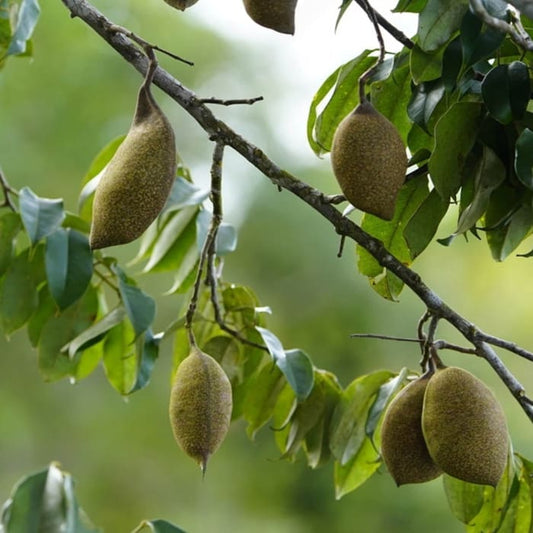
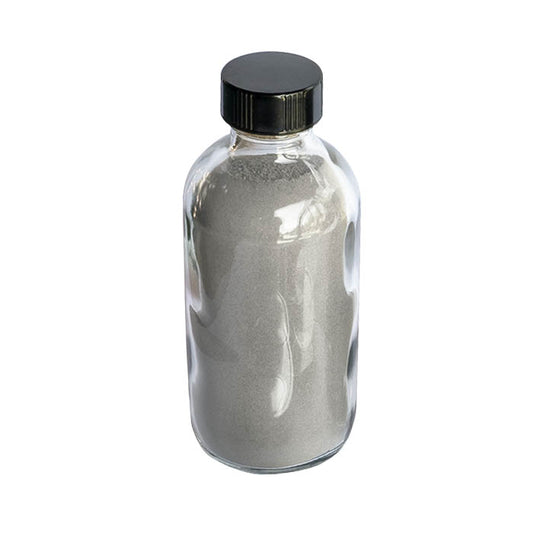
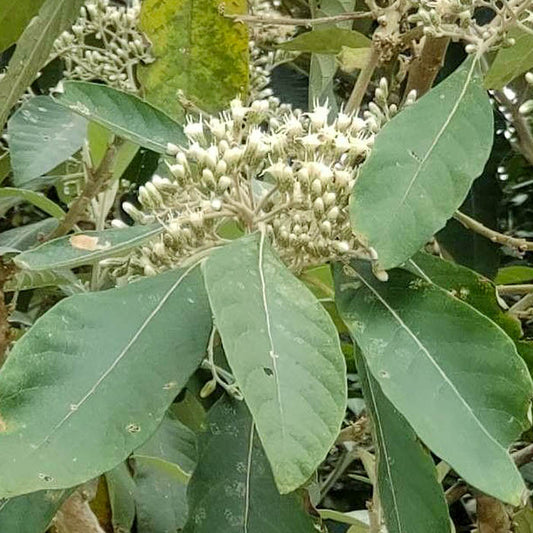
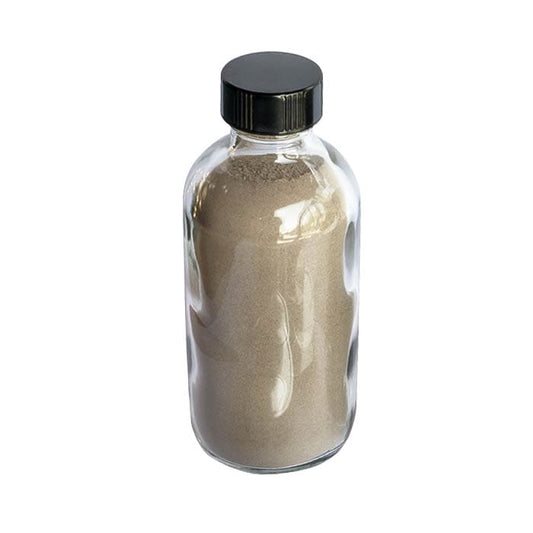
Rapé (Rapeh) FAQ
What exactly is rapé or rapeh?
Rapé is a traditional medicine with a long history of use by indigenous tribes in South America.
What is the purpose of rapé?
Rapé can serve many purposes, depending on its type and how it is administered. Its use might simply be to unwind and relax, to relieve pain, or to address more serious issues such as removing disparate energies from a person.
What is rapé made of?
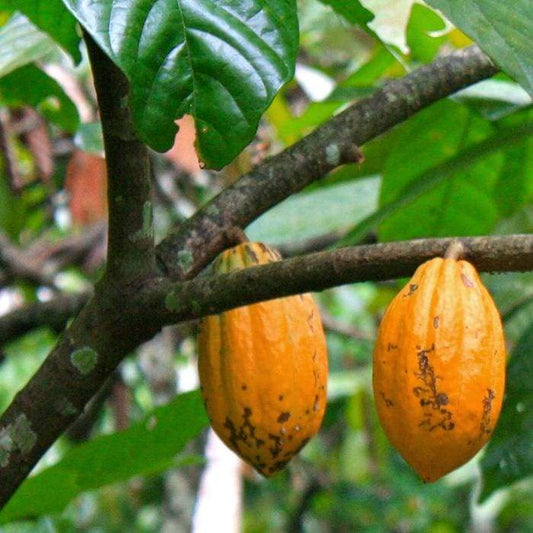
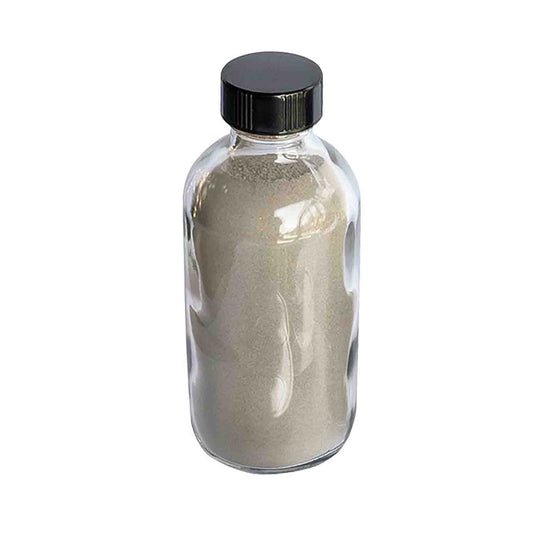
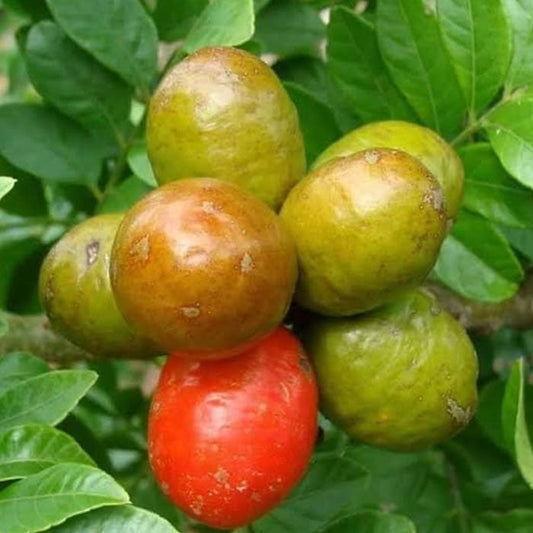
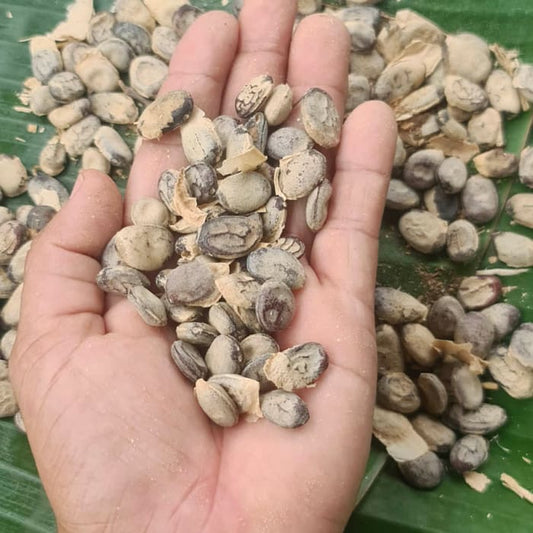
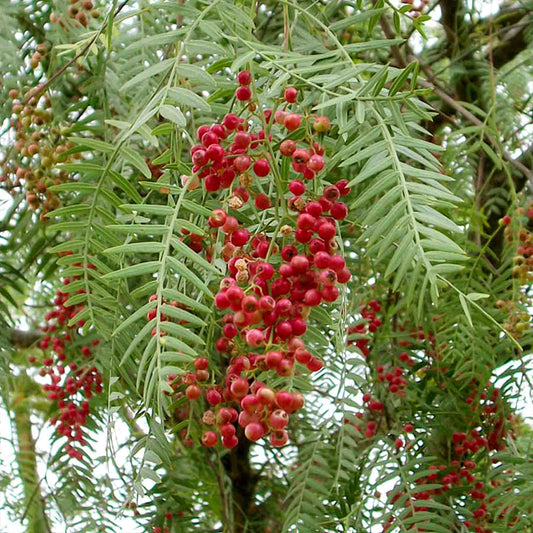
Generally, rapé contains a type of tobacco that is dried and finely ground, combined with the ash from a herb, plant, or tree. For example, Katukina Cacau is made with organic tobacco and the ash from actual cacao seeds. However, not all rapé contains tobacco.
Why does some rapé feel so harsh?
Good quality rapé, although strong, should not feel harsh. Rapé made with poor, mass-produced tobacco such as Mapacho often feels harsh and sickly. The rapé made by our partner tribes does not use this kind of tobacco; instead, they use a softer and often homegrown variety.
What are Healing, Fortifying, and Spiritual rapés?
In an attempt to help you with your choice, we have categorized our rapés as Healing, Fortifying, or Spiritual. These general categories loosely relate to the rapé's main use.
When do I choose a Healing rapé?
Do you have a specific issue, such as anxiety or pain? Then browse the Healing rapé category for something that may help you.
When do I choose a Fortifying rapé?
Think of a fortifying rapé as one that supports you rather than fixing something; an example would be a rapé that quiets the thoughts and creates a feeling of relaxation.
When do I choose a Spiritual rapé?
If you are interested in meditation or being contemplative in nature, then a rapé in this category would be a good choice.

Photos of Huni Kuin Tribe, Art, and Ceremonies


About the Huni Kuin Tribe: Hapé, Ayahuasca, Art, and Traditions
Who are the Huni Kuin and where do they live?
The Huni Kuin, also known as Kaxinawá, are an Indigenous people of the Amazon. They live primarily in the state of Acre in Brazil and the Ucayali region of eastern Peru, along forest rivers and in sustainable, community-based villages.
What is the population of the Huni Kuin tribe?
As of 2020, the Huni Kuin (also known as Kaxinawá) population is estimated at approximately 14,148 individuals—with around 11,729 living in Brazil and 2,419 in Peru
What language do the Huni Kuin speak and what is its current status?
The Huni Kuin speak Hatxa Kuin, a Panoan language. It is actively spoken across generations and remains strong within their communities, especially in Brazil’s Acre region.
What are some of the Huni Kuin's traditional practices?
The Huni Kuin, also known as Kaxinawá, maintain a rich tradition of shamanic practices centered around sacred plant medicines such as ayahuasca (Nixi Pae) and rapé. These are used in ceremonies to connect with forest spirits, heal illness, and maintain balance in the community. Rituals are guided by chants called Huni Meka, which are believed to carry spiritual power and are sung during healing ceremonies and communal gatherings. The pajé, or shaman, plays a central role in facilitating these rituals and in preserving ancestral knowledge.
Traditional weaving and body painting also hold deep cultural significance. Women produce intricate kené designs on textiles and in beadwork, reflecting spiritual visions, stories, and the structure of the universe. These designs are not only decorative but carry symbolic and protective meanings. In recent years, the Huni Kuin have extended these expressions into visual arts through the MAHKU artist collective, which transforms their traditional chants and visions into contemporary artwork, helping to preserve and share their cultural heritage with the wider world.
How can one learn more about the Huni Kuin tribe?
How can one learn more about the Huni Kuin tribe? Detailed information on the Huni Kuin tribe can be found on the Instituto Socioambiental (ISA) website here.