
Bulk Rapé & Hapé — Tribal Blends
Authentic bulk rapé (hapé), sourced directly from our Amazonian tribal partners — the same blends trusted by ceremony leaders, facilitators and retreats since 2015, in sizes from 125 g to 1 kg. Our bulk hapé pricing starts at $1.80/g and falls to $0.94/g on larger sizes, with free USPS Priority shipping from our U.S. store in 100% compostable packaging.
Every order includes a sample to try before you commit, backed by our money-back guarantee.
After personal sizes instead? Browse the full rapé (hapé) collection — every blend in retail sizes, from 1.5 g samples up.
Buying for a shop or in larger volumes? Visit our wholesale rapé (hapé) catalog for trade pricing direct from the tribes — the full trade range, US$999 minimum.
Bulk items are excluded from additional promotions or discount codes.

-
Tsunu Forte Rapé (Hapé) – Bulk
Regular price From $ 225.00 USDRegular price -
Ayahuasca Rapé (Hapé) – Bulk
Regular price From $ 225.00 USDRegular price -
Tsunu Extra Strong Rapé (Hapé) – Bulk
Regular price From $ 225.00 USDRegular price -
Tsunu Six Herbs Rapé (Hapé) – Bulk
Regular price From $ 225.00 USDRegular price -
Força Feminina Rapé (Hapé) – Bulk
Regular price From $ 225.00 USDRegular price -
Bobinsana Rapé (Hapé) – Bulk
Regular price From $ 225.00 USDRegular price -
Mugwort Rapé (Hapé) – Bulk
Regular price From $ 225.00 USDRegular price -
Nukini Rapé (Hapé) – Bulk
Regular price From $ 225.00 USDRegular price -
Onça Rapé (Hapé) – Bulk
Regular price From $ 225.00 USDRegular price -
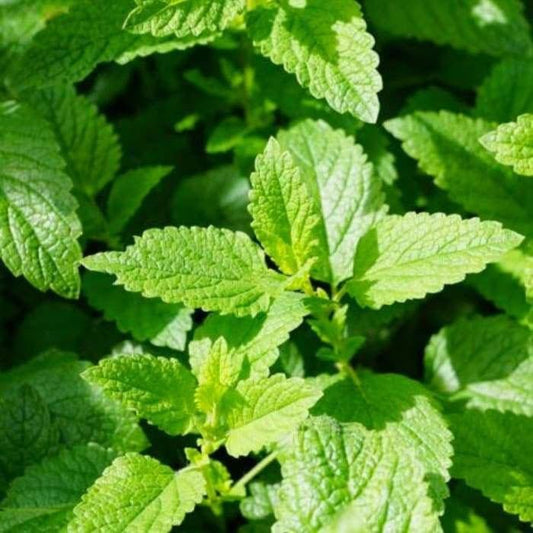
Menta Rapé (Hapé) – Bulk
Regular price From $ 225.00 USDRegular price -
Seven Herbs Rapé (Hapé) – Bulk
Regular price From $ 225.00 USDRegular price -
Rosa Blanca Rapé (Hapé) – Bulk
Regular price From $ 225.00 USDRegular price -
Queen of the Forest Rapé • Bulk
Regular price From $ 225.00 USDRegular price
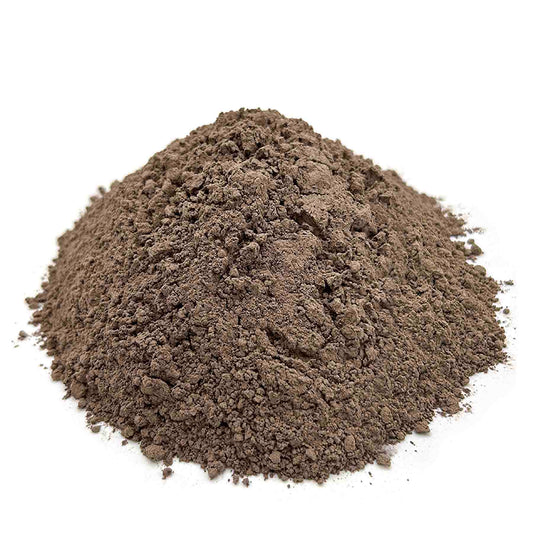
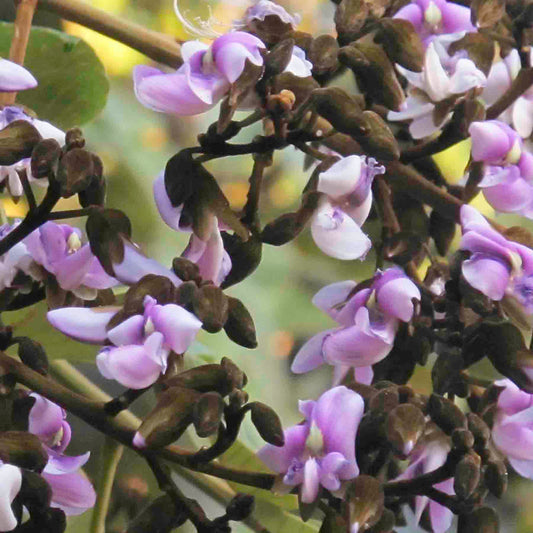
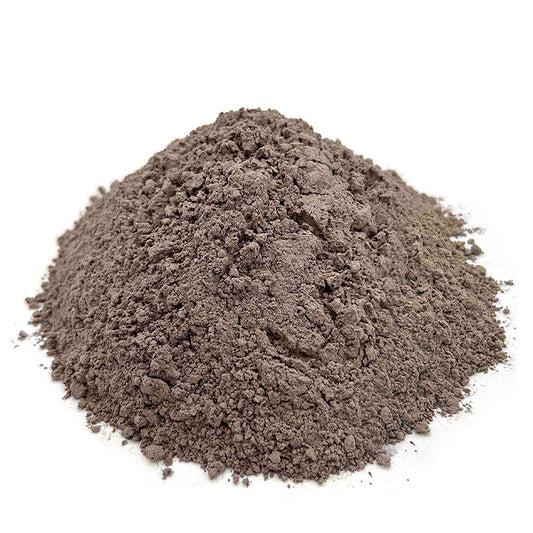
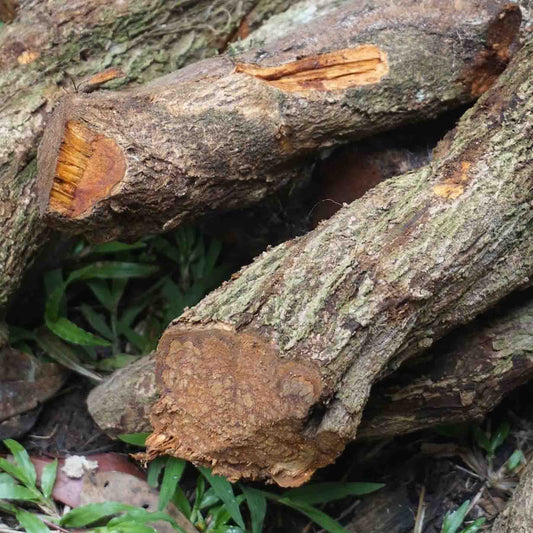


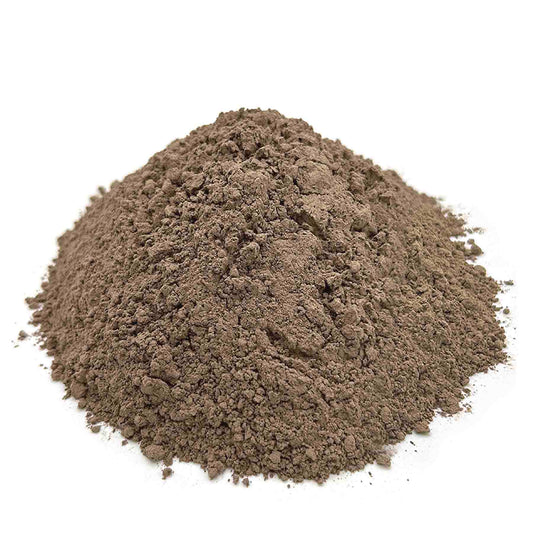
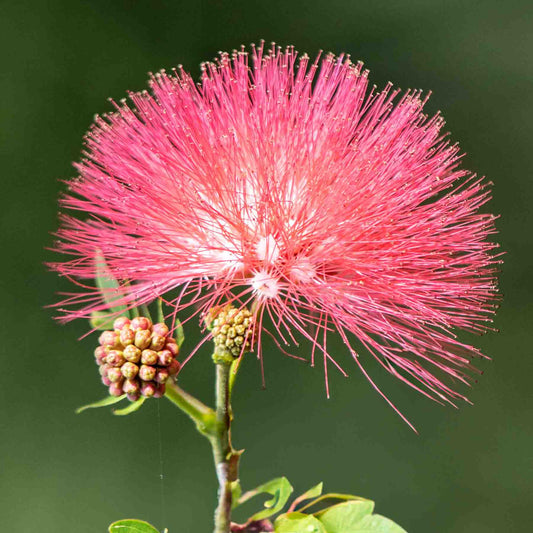
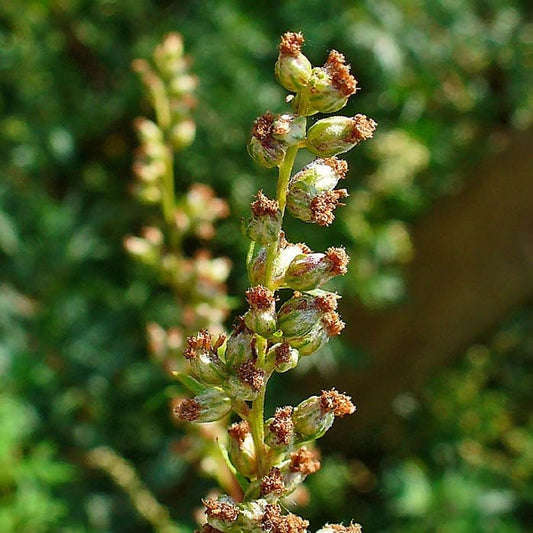
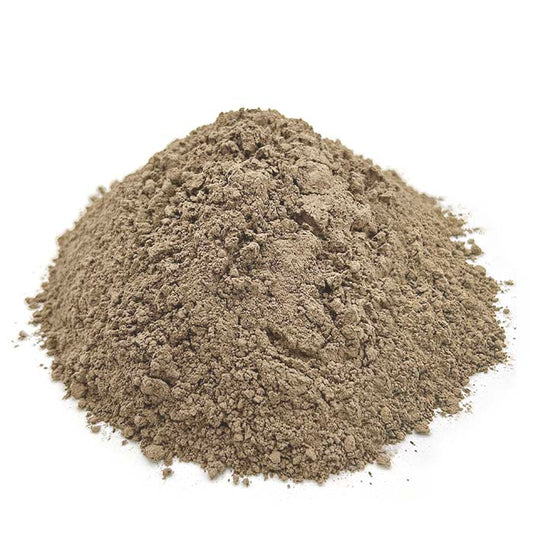
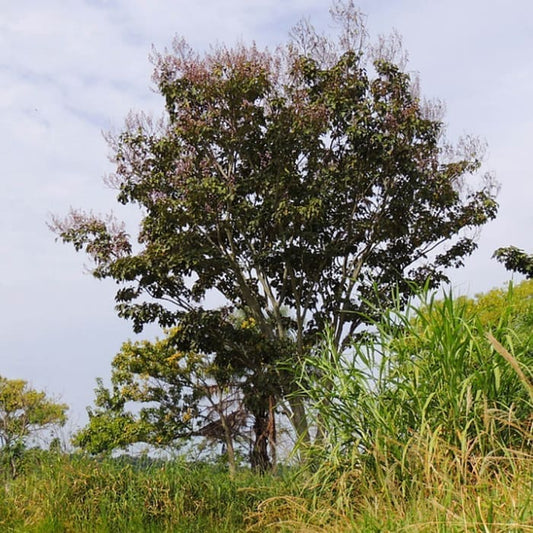
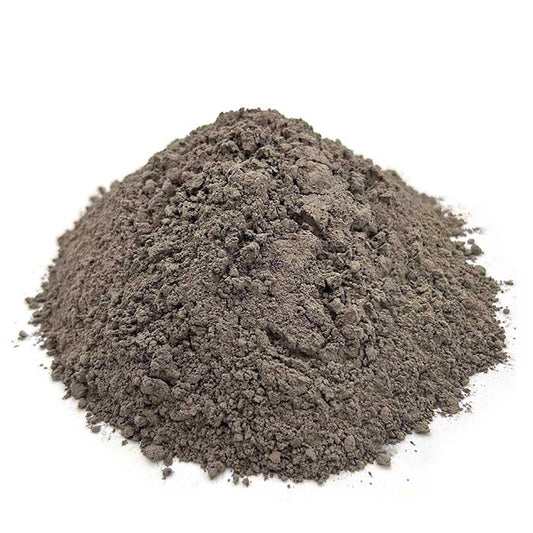
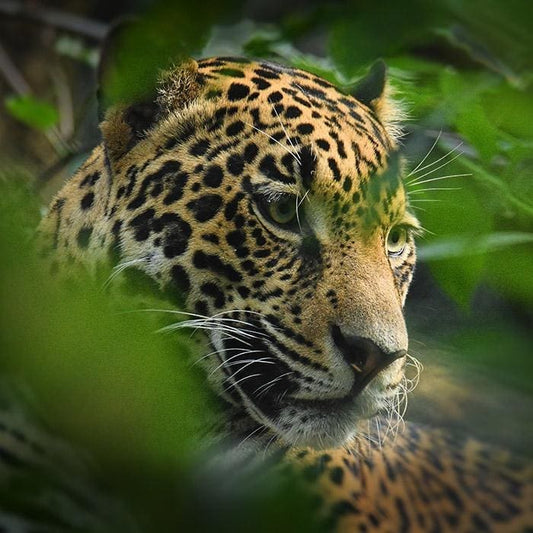
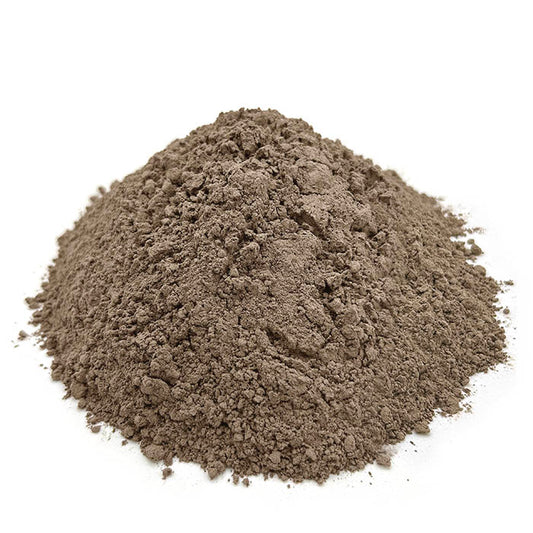

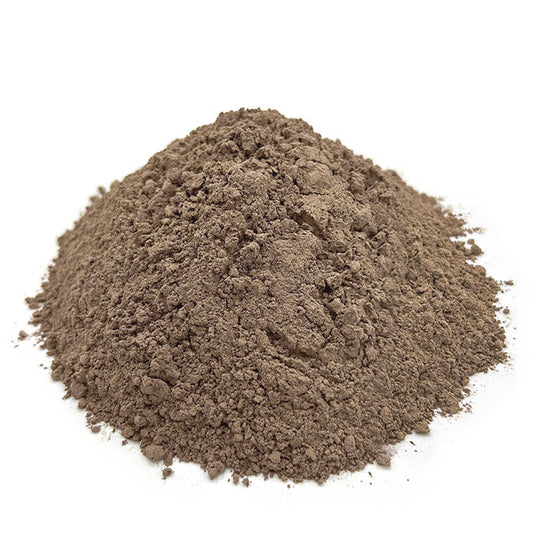
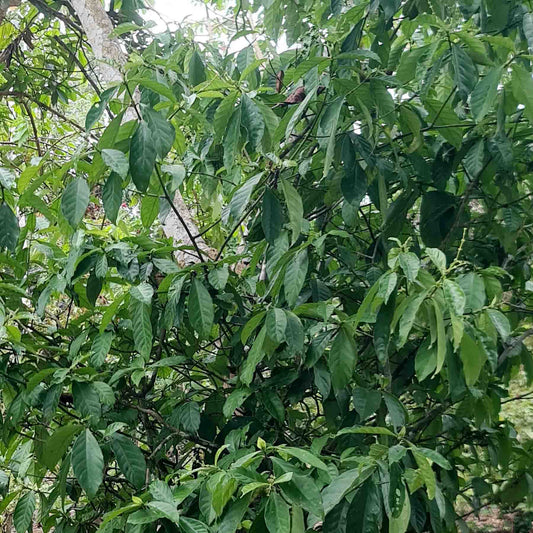
Compare the 13 bulk blends
Same four sizes and the same honest ladder on every blend — pick by tribe and character, not by price.
| Size | Price | Per gram | You save |
|---|---|---|---|
| 125 g | $ 225.00 USD | $ 1.80 USD/g | — |
| 250 g | $ 375.00 USD | $ 1.50 USD/g | 17% |
| 500 g | $ 625.00 USD | $ 1.25 USD/g | 31% |
| 1 kg | $ 945.00 USD | $ 0.94 USD/g | 48% |
| Blend | Tribe | Character |
|---|---|---|
| Tsunu Forte | Yawanawa | Strong |
| Ayahuasca | Kuntanawa | Strong |
| Tsunu Extra Strong | Katukina | Extra strong |
| Tsunu Six Herbs | Katukina | Extra strong |
| Força Feminina | Yawanawa | Regular |
| Bobinsana | Yawanawa | Regular |
| Mugwort | Yawanawa | Strong |
| Nukini | Nukini | Strong |
| Onça | Nukini | Strong |
| Menta | Yawanawa | Strong |
| Seven Herbs | Huni Kuin | Strong |
| Rosa Blanca | Nukini | Light |
| Queen of the Forest | Huni Kuin | Regular |
Enjoy Eco-Friendly Packaging
Your purchase will be wrapped in eco-friendly, compostable packaging, contributing to a sustainable future.


Bulk Rapé FAQ
Who is bulk rapé for?
Bulk is for anyone who works with rapé in volume — practitioners and facilitators, ceremony and church leaders, and retreats or groups who share the medicine together. It also suits those who resell at festivals and markets. Larger quantities bring the per-gram price down and mean you’re never caught short before a gathering.
Isn’t buying rapé in bulk a risk?
Not with us. Every bulk order comes with a sample to try before you open the full bag, and if a blend still isn’t right you’re covered by a money-back guarantee. Try first, commit second.
What if I don’t like a blend I’ve bought?
That’s what the sample is for — try the sachet attached to the outside of the packet before you break the seal on the full bag. If a blend still isn’t right for you, return it for a full refund, less shipping. See our refund policy for details.
What sizes does bulk rapé come in?
Bulk rapé is sold from 125 g up to 1 kg — the same authentic tribal blends as our retail range, just in larger quantities.
Is there a minimum bulk order?
No — you can start with a single 125 g pouch. There’s no minimum item count or spend; order one bag or many.
Can I order larger volumes for a shop?
Yes — for trade quantities beyond our bulk sizes, see our wholesale rapé (hapé) catalog for pricing and minimums. It ships direct from Brazil; the bulk sizes on this page are US-stocked for fast delivery.
How is bulk rapé packaged and shipped?
Because our bulk rapé is stocked in the US, orders placed before 11 am New Mexico time (Mon–Fri) ship the same day, in compostable packaging with free USPS Priority. Wholesale orders from Brazil take longer to arrive.
How should I store bulk rapé?
Keep it cool, dry, dark and tightly sealed and it stays potent for years. Avoid the fridge — condensation can form when you take it out.